Latest Posts
Here you will find all the latest posts on the Bhaktivinoda Institute in the form of Articles, Book Chapters, Songs & Poems etc.
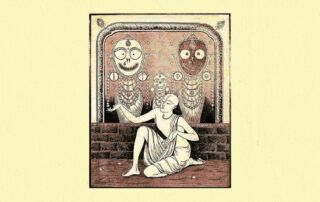
Śrī Śīkṣāṣṭakam Verse Six
Śrīla Bhaktivinoda Ṭhākura’s commentary on Mahāprabhu’s Śikṣāṣṭakam, the Sammodana Bhāṣyam (‘that commentary which gives bliss to the devotees’ ) was written in Sanskrit in 1886. The Ṭhākura gives a detailed explanation of each verse, starting with the mūlā-śloka (verse one), revealing the progressive stages of the sādhaka leading to prema.
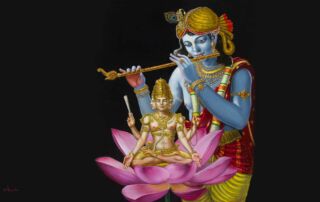
Śrī Brahma-saṁhitā Prakāśinī Commentary – Verses 51-62
Śrīla Bhaktivinoda Ṭhākura’s Prakāśinī commentary to 'Śrī Śrī Brahma-saṁhitā' was written in 1897 and serialised in the Sajjana Toṣaṇī magazine. The Prakāśinī commentary of Brahma-saṁhitā follows in the footsteps of Jīva Gosvāmī's Dig-darśinī commentary.

Datta Kaustubham – Verses 81-91
Śrīla Bhaktivinoda Ṭhākura’s Datta Kaustubham was written in 1873 at Jagannātha Purī and contains 104 Sanskrit verses with an auto-commentary. This is one of the Ṭhākura’s earliest works in Sanskrit and presents a systematic analysis of sambandha, abhidheya and prayojana. The title ‘Datta Kaustubham’ refers to Kṛṣṇa’s kaustubha-gem of sat-siddhānta (transcendental philosophy) that has been given to Kedaranatha Datta (Bhaktivinoda Ṭhākura). This translation is based upon the Gauḍīya Mission edition printed in 1942.
Datta Kaustubham – Verses 71-80
Śrīla Bhaktivinoda Ṭhākura’s Datta Kaustubham was written in 1873 at Jagannātha Purī and contains 104 Sanskrit verses with an auto-commentary. This is one of the Ṭhākura’s earliest works in Sanskrit and presents a systematic analysis of sambandha, abhidheya and prayojana. The title ‘Datta Kaustubham’ refers to Kṛṣṇa’s kaustubha-gem of sat-siddhānta (transcendental philosophy) that has been given to Kedaranatha Datta (Bhaktivinoda Ṭhākura). This translation is based upon the Gauḍīya Mission edition printed in 1942.
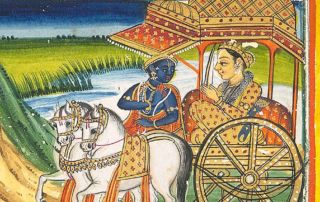
Bhagavad-gita – Chapter Thirteen
Śrīla Bhaktivinoda Ṭhākura’s first Bengali commentary to the Bhagavad-gītā named ‘Rasika-Rañjana’ (‘That which delights the relishers of rasa’) was written in 1886 and was a combined translation/commentary. This commentary was based upon Śrīla Viśvanātha Cakravartī Ṭhākura’s Sārārtha-varṣiṇī commentary. The Ṭhākura also gave an elaborate introduction to this work describing the connection between the paths of karma, jñāna and bhakti.

Markaṭa Vairāgī (Monkey Renunciates)
Markaṭa Vairāgī (‘Monkey Renunciates’) was first published in Sajjana Toṣaṇī, Vol.8, Issue 10 in 1897. In this article, Śrīla Bhaktivinoda Ṭhākura discusses Mahāprabhu’s instructions to Raghunātha Dāsa Gosvāmī as well as the two types of fake renunciates found in both the gṛhastha āśrama and the sannyāsa āśrama.
Śrī Brahma-saṁhitā Prakāśinī Commentary – Verses 41-50
Śrīla Bhaktivinoda Ṭhākura’s Prakāśinī commentary to 'Śrī Śrī Brahma-saṁhitā' was written in 1897 and serialised in the Sajjana Toṣaṇī magazine. The Prakāśinī commentary of Brahma-saṁhitā follows in the footsteps of Jīva Gosvāmī's Dig-darśinī commentary.
Śrī Śīkṣāṣṭakam Verse Five
Śrīla Bhaktivinoda Ṭhākura’s commentary on Mahāprabhu’s Śikṣāṣṭakam, the Sammodana Bhāṣyam (‘that commentary which gives bliss to the devotees’ ) was written in Sanskrit in 1886. The Ṭhākura gives a detailed explanation of each verse, starting with the mūlā-śloka (verse one), revealing the progressive stages of the sādhaka leading to prema.
Bhagavad-gita – Chapter Twelve
Śrīla Bhaktivinoda Ṭhākura’s first Bengali commentary to the Bhagavad-gītā named ‘Rasika-Rañjana’ (‘That which delights the relishers of rasa’) was written in 1886 and was a combined translation/commentary. This commentary was based upon Śrīla Viśvanātha Cakravartī Ṭhākura’s Sārārtha-varṣiṇī commentary. The Ṭhākura also gave an elaborate introduction to this work describing the connection between the paths of karma, jñāna and bhakti.
Śrī Śīkṣāṣṭakam Verse Four
Śrīla Bhaktivinoda Ṭhākura’s commentary on Mahāprabhu’s Śikṣāṣṭakam, the Sammodana Bhāṣyam (‘that commentary which gives bliss to the devotees’ ) was written in Sanskrit in 1886. The Ṭhākura gives a detailed explanation of each verse, starting with the mūlā-śloka (verse one), revealing the progressive stages of the sādhaka leading to prema.
Śrī Brahma-saṁhitā Prakāśinī Commentary – Verses 31-40
Śrīla Bhaktivinoda Ṭhākura’s Prakāśinī commentary to 'Śrī Śrī Brahma-saṁhitā' was written in 1897 and serialised in the Sajjana Toṣaṇī magazine. The Prakāśinī commentary of Brahma-saṁhitā follows in the footsteps of Jīva Gosvāmī's Dig-darśinī commentary.
Datta Kaustubham – Verses 61-70
Śrīla Bhaktivinoda Ṭhākura’s Datta Kaustubham was written in 1873 at Jagannātha Purī and contains 104 Sanskrit verses with an auto-commentary. This is one of the Ṭhākura’s earliest works in Sanskrit and presents a systematic analysis of sambandha, abhidheya and prayojana. The title ‘Datta Kaustubham’ refers to Kṛṣṇa’s kaustubha-gem of sat-siddhānta (transcendental philosophy) that has been given to Kedaranatha Datta (Bhaktivinoda Ṭhākura). This translation is based upon the Gauḍīya Mission edition printed in 1942.
Bhagavad-gita – Chapter Eleven
Śrīla Bhaktivinoda Ṭhākura’s first Bengali commentary to the Bhagavad-gītā named ‘Rasika-Rañjana’ (‘That which delights the relishers of rasa’) was written in 1886 and was a combined translation/commentary. This commentary was based upon Śrīla Viśvanātha Cakravartī Ṭhākura’s Sārārtha-varṣiṇī commentary. The Ṭhākura also gave an elaborate introduction to this work describing the connection between the paths of karma, jñāna and bhakti.
Śrī Brahma-saṁhitā Prakāśinī Commentary – Verses 21-30
Śrīla Bhaktivinoda Ṭhākura’s Prakāśinī commentary to 'Śrī Śrī Brahma-saṁhitā' was written in 1897 and serialised in the Sajjana Toṣaṇī magazine. The Prakāśinī commentary of Brahma-saṁhitā follows in the footsteps of Jīva Gosvāmī's Dig-darśinī commentary.
Śrī Śīkṣāṣṭakam Verse Three
Śrīla Bhaktivinoda Ṭhākura’s commentary on Mahāprabhu’s Śikṣāṣṭakam, the Sammodana Bhāṣyam (‘that commentary which gives bliss to the devotees’ ) was written in Sanskrit in 1886. The Ṭhākura gives a detailed explanation of each verse, starting with the mūlā-śloka (verse one), revealing the progressive stages of the sādhaka leading to prema.
 On 18th August 2012, on the occasion of his Vyāsa Pūjā, Śrīla Bhakti Gaurava Narasiṅgha Mahārāja announced to the devotees that he had a strong desire to create a website called “Bhaktivinoda Institute” in honour of Śrīla Bhaktivinoda Ṭhākura and his teachings in order to preserve and propagate them.