Latest Posts
Here you will find all the latest posts on the Bhaktivinoda Institute in the form of Articles, Book Chapters, Songs & Poems etc.

Datta Kaustubham – Verses 11-20
Śrīla Bhaktivinoda Ṭhākura’s Datta Kaustubham was written in 1873 at Jagannātha Purī and contains 104 Sanskrit verses with an auto-commentary. This is one of the Ṭhākura’s earliest works in Sanskrit and presents a systematic analysis of sambandha, abhidheya and prayojana. The title ‘Datta Kaustubham’ refers to Kṛṣṇa’s kaustubha-gem of sat-siddhānta (transcendental philosophy) that has been given to Kedaranatha Datta (Bhaktivinoda Ṭhākura). This translation is based upon the Gauḍīya Mission edition printed in 1942.
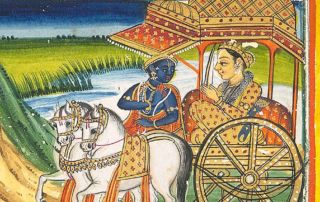
Bhagavad-gita – Chapter Six
Śrīla Bhaktivinoda Ṭhākura’s first Bengali commentary to the Bhagavad-gītā named ‘Rasika-Rañjana’ (‘That which delights the relishers of rasa’) was written in 1886 and was a combined translation/commentary. This commentary was based upon Śrīla Viśvanātha Cakravartī Ṭhākura’s Sārārtha-varṣiṇī commentary. The Ṭhākura also gave an elaborate introduction to this work describing the connection between the paths of karma, jñāna and bhakti.
Datta Kaustubham – Verses 1-10
Śrīla Bhaktivinoda Ṭhākura’s Datta Kaustubham was written in 1873 at Jagannātha Purī and contains 104 Sanskrit verses with an auto-commentary. This is one of the Ṭhākura’s earliest works in Sanskrit and presents a systematic analysis of sambandha, abhidheya and prayojana. The title ‘Datta Kaustubham’ refers to Kṛṣṇa’s kaustubha-gem of sat-siddhānta (transcendental philosophy) that has been given to Kedaranatha Datta (Bhaktivinoda Ṭhākura). Although the commentary is in Sanskrit, Bhaktivinoda provided an expanded Bengali translation which has been referred to herein. This translation of Datta Kaustubha is based upon the Gauḍīya Mission edition printed in 1942.
Bhagavad-gita – Chapter Five
Śrīla Bhaktivinoda Ṭhākura’s first Bengali commentary to the Bhagavad-gītā named ‘Rasika-Rañjana’ (‘That which delights the relishers of rasa’) was written in 1886 and was a combined translation/commentary. This commentary was based upon Śrīla Viśvanātha Cakravartī Ṭhākura’s Sārārtha-varṣiṇī commentary. The Ṭhākura also gave an elaborate introduction to this work describing the connection between the paths of karma, jñāna and bhakti.

Jaiva Dharma – The Phala Śruti
Jaiva Dharma ('The Intrinsic Dharma of the Jīva') was written by Bhaktivinoda Ṭhākura in 1893 in the form of a novel. Philosophical points are presented within this work thru dialogue between various personalities. Jaiva Dharma was very popular with the general public due to its simple language which explains the most important tattvas of Gauḍīya Vaiṣṇavism.
Jaiva Dharma – Appendix
Jaiva Dharma ('The Intrinsic Dharma of the Jīva') was written by Bhaktivinoda Ṭhākura in 1893 in the form of a novel. Philosophical points are presented within this work thru dialogue between various personalities. Jaiva Dharma was very popular with the general public due to its simple language which explains the most important tattvas of Gauḍīya Vaiṣṇavism.
Jaiva Dharma – Chapter Forty
Jaiva Dharma ('The Intrinsic Dharma of the Jīva') was written by Bhaktivinoda Ṭhākura in 1893 in the form of a novel. Philosophical points are presented within this work thru dialogue between various personalities. Jaiva Dharma was very popular with the general public due to its simple language which explains the most important tattvas of Gauḍīya Vaiṣṇavism.
Jaiva Dharma – Chapter Thirty Nine
Jaiva Dharma ('The Intrinsic Dharma of the Jīva') was written by Bhaktivinoda Ṭhākura in 1893 in the form of a novel. Philosophical points are presented within this work thru dialogue between various personalities. Jaiva Dharma was very popular with the general public due to its simple language which explains the most important tattvas of Gauḍīya Vaiṣṇavism.
Jaiva Dharma – Chapter Thirty Eight
Jaiva Dharma ('The Intrinsic Dharma of the Jīva') was written by Bhaktivinoda Ṭhākura in 1893 in the form of a novel. Philosophical points are presented within this work thru dialogue between various personalities. Jaiva Dharma was very popular with the general public due to its simple language which explains the most important tattvas of Gauḍīya Vaiṣṇavism.
Jaiva Dharma – Chapter Thirty Seven
Jaiva Dharma ('The Intrinsic Dharma of the Jīva') was written by Bhaktivinoda Ṭhākura in 1893 in the form of a novel. Philosophical points are presented within this work thru dialogue between various personalities. Jaiva Dharma was very popular with the general public due to its simple language which explains the most important tattvas of Gauḍīya Vaiṣṇavism.
Jaiva Dharma – Chapter Thirty Six
Jaiva Dharma ('The Intrinsic Dharma of the Jīva') was written by Bhaktivinoda Ṭhākura in 1893 in the form of a novel. Philosophical points are presented within this work thru dialogue between various personalities. Jaiva Dharma was very popular with the general public due to its simple language which explains the most important tattvas of Gauḍīya Vaiṣṇavism.
Jaiva Dharma – Chapter Thirty Five
Jaiva Dharma ('The Intrinsic Dharma of the Jīva') was written by Bhaktivinoda Ṭhākura in 1893 in the form of a novel. Philosophical points are presented within this work thru dialogue between various personalities. Jaiva Dharma was very popular with the general public due to its simple language which explains the most important tattvas of Gauḍīya Vaiṣṇavism.
Jaiva Dharma – Chapter Thirty Four
Jaiva Dharma ('The Intrinsic Dharma of the Jīva') was written by Bhaktivinoda Ṭhākura in 1893 in the form of a novel. Philosophical points are presented within this work thru dialogue between various personalities. Jaiva Dharma was very popular with the general public due to its simple language which explains the most important tattvas of Gauḍīya Vaiṣṇavism.
Jaiva Dharma – Chapter Thirty Three
Jaiva Dharma ('The Intrinsic Dharma of the Jīva') was written by Bhaktivinoda Ṭhākura in 1893 in the form of a novel. Philosophical points are presented within this work thru dialogue between various personalities. Jaiva Dharma was very popular with the general public due to its simple language which explains the most important tattvas of Gauḍīya Vaiṣṇavism.
Jaiva Dharma – Chapter Thirty Two
Jaiva Dharma ('The Intrinsic Dharma of the Jīva') was written by Bhaktivinoda Ṭhākura in 1893 in the form of a novel. Philosophical points are presented within this work thru dialogue between various personalities. Jaiva Dharma was very popular with the general public due to its simple language which explains the most important tattvas of Gauḍīya Vaiṣṇavism.
 On 18th August 2012, on the occasion of his Vyāsa Pūjā, Śrīla Bhakti Gaurava Narasiṅgha Mahārāja announced to the devotees that he had a strong desire to create a website called “Bhaktivinoda Institute” in honour of Śrīla Bhaktivinoda Ṭhākura and his teachings in order to preserve and propagate them.