
Overview
In this article, published in Sajjana Toṣaṇī (Vol. 12, Issue 2) in 1900, Bhaktivinoda Ṭhākura examines a questionable passage in the Bengali Bhakta-māla, a compendium of the lives and glories of great devotees. Originally composed in the Vraja-bhūlī language by Nābhā Dāsa, the work was subsequently translated into Bengali and expanded by Lāla Dāsa Bābājī, also known as Kṛṣṇa Dāsa.
translated by Swami Bhaktivijñāna Giri
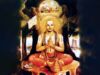
While reading the Bhakta-māla book by Śrī Lāla Dāsa Bābājī, as we read the Eleventh Garland, we came across an account of Śrī Śaṅkarācārya. Although Lāla Dāsa Bābājī was learned in Vaiṣṇava śāstra, we were greatly distressed by what he had written concerning Śrī Śaṅkarācārya. He has written:
virakta haiyā strī-saṅga nā yuyāya
rasa jāniyāre praveśaẏa para-kāyā
Being detached, he could not associate with women; in order to understand rasa, he entered another body.
kona sthale eka rājā tāra mṛtyu haila
śuni nija deha eka gṛhete sthāpila
In a certain place, a king died. Hearing of this, he placed his own body in a house.
śiṣya-gaṇe kahe mora rakṣā kara deha
rājā mṛta-dehe muñi praveśa karahuṅ
He said to his disciples, “Protect my body; I shall enter the dead body of the king.”
rāṇī-gaṇa saṅge rāsa-vihāra kariyā
jāniba rasera rīti svataḥ āsvādiyā
“Having engaged in amorous pastimes with the queens, I shall learn the nature of rasa by personally experiencing it.”
rasa jānibāra hetu tātparya antare
rādhā-kṛṣṇa rasa-tattva jāniba adūre
His inner intention was to understand rasa; thus, before long, he would understand the principles of Rādhā-Kṛṣṇa rasa.
moha-mudgara nāme vairāgya-pradhāna
śloka racanā kari dilā śiṣya-sthāna
Pre-eminent in renunciation, under the name Moha-mudgara, he composed verses and gave them to his disciples.
yadi muñi rājya-sukhe hai mugdhāśaya
ei saba śloka tabe śunābe āmāya
“If I become enamoured of the pleasures of kingship, then recite all these verses to me.
mora ei deha keha naṣṭa karibāre
yadi cāya tabe śīghra jānābe āmāre
“If anyone seeks to destroy this body of mine, then inform me of it immediately.”
eto kahi rāja-mṛta-dehe yāi paiśe
mariyā vāñcila rājā sabe kahe harṣe
Having said this, he entered the dead body of the king. “The king, having died, has come back to life!” everyone exclaimed joyfully.
rājā-rūpe kata-dina rāṇī-gaṇa sane
nānā rasa vilasaya viśeṣa kāraṇe
For many days, in the form of the king, together with the queens, he enjoyed various rasas for a particular purpose.
baḍa rāṇī sucaturā bujhila antare
eto kabhu rājā nahe svabhāva vicāre
The chief queen, being very clever, understood inwardly, “Judging by his nature, this cannot possibly be the king.”
mariyā vāñcaye eto nā haya sambhave
bujhi kona siddha praveśilā ei śave
“It is surely impossible for someone to die and then come back to life in this way. I suspect that some perfected yogī has entered this corpse.”
ihā anumāna kari gopanīya mate
nija-loke kahe rāṇī praphullita cite
Forming this supposition, she spoke privately to her own people, with a delighted heart.
ei saharete yathā thāke mṛta deha
śīghra yāi sei saba jālāiyā deha
“Wherever dead bodies are kept in this city, go quickly and burn them all.”
eto śuni bhṛtya-gaṇa khũjite khũjite
dekhe eka gṛhe eka śaba vastra-āvṛte
Hearing this, the servants searched from place to place and found a corpse covered with cloth in a house.
vipra-gaṇe rakṣā kare dekhi bhṛtya-gaṇa
dāha karibāre sabe kare ākarṣaṇa
Seeing that a group of brāhmaṇas were guarding it, the servants all began dragging the corpse away to cremate it.
bhāvita haiyā āste-vyaste śiṣya-gaṇa
ūrdhva-śvāse yāya yathā rājāra sadana
The disciples, becoming alarmed, hurriedly, and breathing heavily, went to the place where the king resided.
vṛttānta prakāśa kari prakāśa kariyā
uccaiḥsvare kahe vipra antaḥpure giyā
Revealing the whole affair, the brāhmaṇa went into the inner apartments and spoke in a loud voice.
rāja-rūpa ācārya śuniyā vivaraṇa
vyasta-samasta haiyā chāḍe sei sthāna
Hearing the account, the ācārya in the king’s form became greatly agitated and hastily left that place.
cakṣera nimiṣe sādhu pūrva-nija-dehe
praveśiyā cali gelā śiṣya-gaṇa saṅge
In the blink of an eye, that sādhu entered his original body and departed together with his disciples.
The practice of relishing ‘kṛṣṇa–rasa’ with a woman, while perceiving oneself as the svayam-puruṣa (predominating male, Kṛṣṇa) is sahajiyā-dharma. This practice stands in stark opposition to the path of pure bhakti, which constitutes authentic Vaiṣṇava dharma.
Although Śaṅkarācārya preached māyāvāda at the command of the Lord, it is never possible that an intimate Vaiṣṇava such as he would engage in sahajiyā practices. Whether the author of the Bhakta-māla is Lāla Dāsa or Kṛṣṇa Dāsa makes no difference to us. It is the duty of all Vaiṣṇavas to write about devotees and honour such books.But presenting non-Vaiṣṇava doctrines, such as those of the sahajiyās and bāulas, as Vaiṣṇava doctrines seems utterly reprehensible. It is especially important for those who undertake the revision or editing of such books to understand this.
Just as the essential character of milk is destroyed when even a small quantity of cow’s urine falls into a vessel of milk, so a book of pure Vaiṣṇava teachings becomes greatly degraded if even a small amount of māyāvāda or sahajiyā doctrine is present in it.
It seems that Lāla Dāsa did not himself write these objectionable passages in his book. After his departure from this world, certain proponents of objectionable doctrines secretly inserted these compositions.
As we continue reading this book, we shall discuss all the other doctrines contrary to the Gosvāmīs that we encounter, for the benefit and satisfaction of pure Vaiṣṇavas.
(‘Śrī Lāla Dāsa Bābājī’s Bhakta-māla’ was first published in Sajjana Toṣaṇī Vol. 12 Issue 2 published in 1900 and translated into English by Swami B.V. Giri)





Support the Bhaktivinoda Institute