The Glory of Ārya Dharma Within Pure Sampradāyas (Viśuddha Sāmpradāyikatāī Ārya Dharmera Gaurava)
Viśuddha Sāmpradāyikatāī Ārya Dharmera Gaurava (The Glory of Ārya Dharma Within Pure Sampradāyas) was first published in Sajjana Toṣaṇi, Vol.3 issue 3 in 1886. In this article Bhaktivinoda Ṭhākura explains how sectarianism and the sampradāya concept of the Vedas are not the same thing. He also discusses the dangers of mixing various ideologies with hari-bhakti.
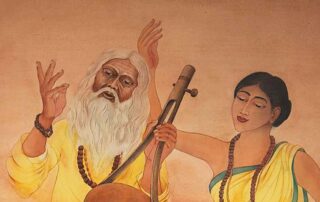
Vaiṣṇava Granthāvalī
‘Vaiṣṇava Granthāvalī’ was first published in Sajjana Toṣaṇī, Vol.10 issue 12 in 1899. Bhaktivinoda Ṭhākura reviews a book that includes three texts by the bāulas and sahajiyās, and the Ṭhākura gives his opinion.

Śrī Bhāgavatācārya
‘Śrī Bhāgavatācārya’ was first published in Sajjana Toṣaṇī, Vol.10 issue 2 in 1885. In this short article Bhaktivinoda Ṭhākura criticizes a descendant of Śrīla Bhāgavatācārya who has written two books expounding the beliefs of the sahajiyās and bāulas.

The Soma Prakāśa and Vaiṣṇavism (Soma Prakāśa u Vaiṣṇava Dharma)
Soma Prakāśa u Vaiṣṇava Dharma (The Soma Prakāśa and Vaiṣṇavism) was published in Sajjana Toṣaṇī, Vol. 2. Issue 11 in 1885. This essay by Bhaktivinoda Ṭhākura is in response to an article by the editor of the Soma Prakāśa newspaper who made derogatory statements against Śrī Caitanya Mahāprabhu and Vaiṣṇavism. At the conclusion of his article, Bhaktivinoda explains something about Hinduism and Vaiṣṇavism.
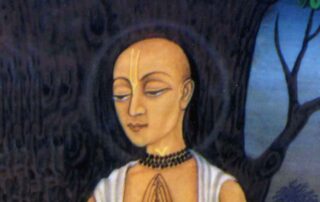
Śrī Śrī Sanātana Gosvāmī Prabhu
Śrī Śrī Sanātana Gosvāmī Prabhu was first published in Sajjana Toṣaṇī Vol.2. issue 7 in 1885. In this brief biography, Bhaktivinoda Ṭhākura talks about the life of Sanātana Gosvāmī and also about the various apa-sampradāyas that lay claim to him. He gives Sanātana's genealogy, and at the end of the article, the Ṭhākura laments that Sajjana Toṣaṇī is not receiving enough support.

A Critique of the Book Rasa Śaivalinī Gītā (Samālocana – Rasa Śaivalinī Gītā)
Samālocana – Rasa Śaivalinī Gītā (A Critique of the Book Rasa Śaivalinī Gītā) was first published in Sajjana Toṣaṇī, Vol.10 Issue 6 in 1898. Bhaktivinoda Ṭhākura reviews a book by Pañcānana Gosvāmī Padaratna, and warns how some so-called ‘sādhus’ misuse works such as Ujjvala Nīlamaṇi in order to engage in nefarious activities.
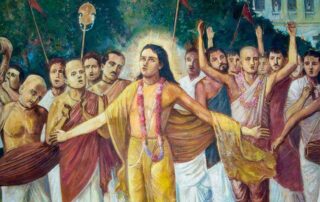
Ṭahala (Patrol)
Ṭahala (Patrol) was first published in Sajjana Toṣaṇī, Vol. 8, issue 8 in 1896. In this short essay, Bhaktivinoda Ṭhākura calls his readers’ attention to those who make money through chanting the Holy Name, and explains how this nefarious practice is against the instructions of Mahāprabhu.

Opposition to the Conclusions of Bhakti and Incompatible Rasa (Bhakti-siddhānta-viruddha o Rasābhāsa)
Bhakti-siddhānta-viruddha o Rasābhāsa (Opposition to the Conclusions of Bhakti and Incompatible Rasa) was first published in Sajjana Toṣaṇi Vol.6. Issue 2. In this article Bhaktivinoda Ṭhākura writes about the various styles of rasa-kīrtana that orginated with Śrīnivāsa Ācārya, Narottama Dāsa Ṭhākura and Śyāmānanda Prabhu. He also discusses the so-called 'rasa-kīrtana' performed by professional kīrtaneers.

Bhakti Caitanya Candrikā
‘Bhakti Caitanya Candrikā’ was first published in Sajjana Toṣaṇī, Vol.1 in 1881. This is a review of a book called Bhakti Caitanya Candrikā by Chiranjeev Sharma. Śrīla Bhaktivinoda Ṭhākura points out the glaring defects of the author in presenting the life and teachings of Śrī Caitanya while adulterating them with impersonal philosophy.

A New Gaurāṅga (Nūtana Gaurāṅga)
Nūtana Gaurāṅga (A New Gaurāṅga) was published in Sajjana Toṣaṇī, Vol 8 Issue 1 in 1896. In this editorial, Śrīla Bhaktivinoda Ṭhākura speaks about the various devotional achievements in the last year, as well as the obstacles created by envious persons, and then goes on to mention how some persons have created a 'new Gaurāṅga' who has come to harmonise all beliefs.
 On 18th August 2012, on the occasion of his Vyāsa Pūjā, Śrīla Bhakti Gaurava Narasiṅgha Mahārāja announced to the devotees that he had a strong desire to create a website called “Bhaktivinoda Institute” in honour of Śrīla Bhaktivinoda Ṭhākura and his teachings in order to preserve and propagate them.