Genuine improvement within Brahmo Dharma (Brāhmo Dharma Prakṛta Unnati)
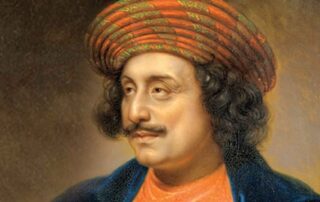
‘Brāhmo Dharma Prakṛta Unnati' (Genuine improvement within Brahmo Dharma) was first published by Bhaktivinoda Ṭhākura in Sajjana Toṣaṇī Vol.2. issue 3 in 1885. In this article, the Ṭhākura rejoices in the news that the ācārya of the Brāhmos (a sect of impersonalists in Kolkata founded by Raja Ram Mohan Roy) is favouring the concept of prema over jñāna.

Considerations for Non-Vegetarians (Āmiṣabhojī-digera Jñātavya)
'Āmiṣabhojī-digera Jñātavya (Considerations for Non-Vegetarians)' was first published in Sajjana Toṣaṇi Vol.8. issue 4 in 1896. In this short article, Bhaktivinoda Thākura gives a list of quotes from zoologists, scientists and physicians of his day, in order to make the point to his countrymen that meat eating is not natural for humans.
Matsya-Māṁsa Bhojana (Eating Fish and Meat)
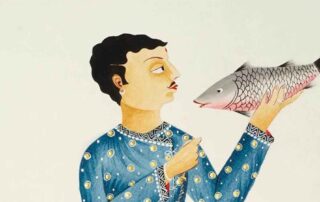
Matsya-Māṁsa Bhojana (Eating Fish and Meat) was first published in Sajjana Toṣaṇī, Vol. 2, issue 8 in 1885. Bhaktivinoda Ṭhākura explains why the young people of Bengal are taking to meat-eating and describes the three types of food in Vedic culture.
Buddha-Gayā
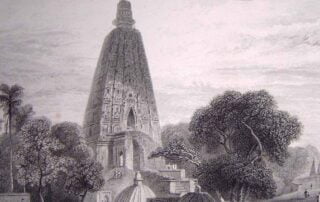
This article, 'Buddha-Gayā' was written by Bhaktivinoda Ṭhākura in Sajjana Toṣaṇī, Vol.7, issue 1 in 1895. Bhaktivinoda reports on a meeting amongst the paṇḍita community of Gayā to ascertain the significance of Bodhagayā for Hindus.
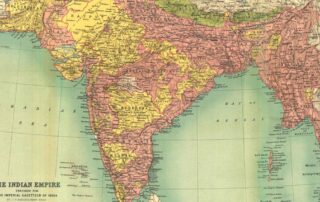
‘Hindu’
This article, 'Hindu' was written by Bhaktivinoda Ṭhākura in 1874 for the Ananda Bazar Patrika newspaper. Bhaktivinoda discusses the origins of the word 'Hindu' and explains why it was not used in the Vedas, Purāṇas etc.
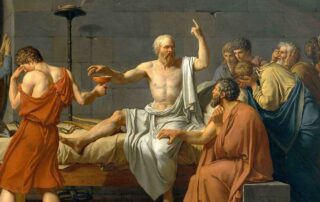
Philosophical Treatise (Darśana-Śāstra)
Darśana-Śāstra (Philosophical Treatise) was written by Bhaktivinoda Ṭhākura in 1895 for Sajjana-Toṣaṇi, Vol.7. Issue 1. In this short article, Bhaktivinoda discusses the link between the Six Darśanas of India and the philosophies of the Ancient Greeks. He also briefly discusses the origins of Egyptian mummification.
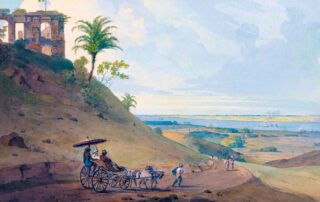
Sukhera Viṣaya (A Matter of Happiness)
Sukhera Viṣaya (A Matter of Happiness) is a short article by Bhaktivinoda Ṭhākura, published in Sajjana Toṣaṇī Vol.2, Issue 1. in 1885. Bhaktivinoda discusses how the city of Munger in Bihar has been a 'battlefield' of various religions and philosophies.
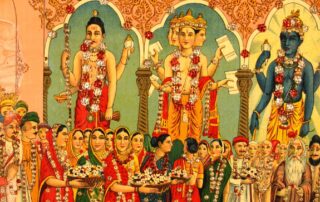
Śrī-Mūrti-sevā o Pautalikatā (Deity Worship and Idolatry)
In this udated article, Śrī-Mūrti-sevā o Pautalikatā (Deity Worship and Idolatry) which was published in the monthly Gauḍīya magazine, Bhaktivinoda Ṭhākura explains the fundamental difference between the worship of the genuine Deity and the worship of idols.

Dharmāḍhambara (A Display of Religion)
Dharmāḍhambara (A Display of Religion) was a short article published in Sajjana Toṣaṇī, Vol.9, issue 4 in 1897. Bhaktivinoda Ṭhākura targets those persons who make an external show of religion and briefly explains the verse ‘nitya-siddha kṛṣṇa-prema’ from Caitanya-caritāmṛta.
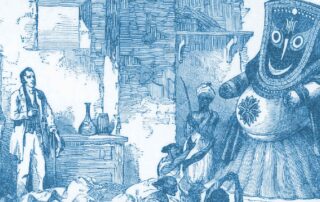
The Hindu Idols
This thirty-two page English letter "The Hindu Idols" written in 1899 was in response to the Christian Tract Society of Calcutta who had previously published an article entitled, "Prof. Max Muller on Durgā", in which Kālī, Durgā and Śiva were slandered from an evangelistic viewpoint. Bhaktivinoda wrote an exhaustive response on the true identity of the personalities in question. He concludes by briefly mentioning Mahāprabhu and discusses the true Christian attitude of universal love, devoid of sectarian dogmatism, and discusses the nature of prema. It is interesting to note that, due to the academic nature of this letter, he signs off as ‘Kedarnatha Vidyavinoda’ rather than Bhaktivinoda. In 1901, he rewrote and summarised the same article for Dawn Magazine and renamed it, ‘On Durga, Siva and Kali in Their Exoteric Aspects: A Criticism on Max Muller’.
 On 18th August 2012, on the occasion of his Vyāsa Pūjā, Śrīla Bhakti Gaurava Narasiṅgha Mahārāja announced to the devotees that he had a strong desire to create a website called “Bhaktivinoda Institute” in honour of Śrīla Bhaktivinoda Ṭhākura and his teachings in order to preserve and propagate them.