
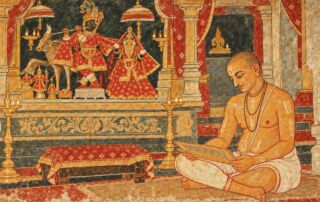
Siddhānta Ratna, or the Throne of Vedānta (siddhānta-ratna vā vedānta pīṭhaka)
First published in Sajjana Toṣaṇī (Vol. 9, Issues 10–11) in 1898, this article by Śrīla Bhaktivinoda Ṭhākura opens with a brief biographical account of Śrī Baladeva Vidyābhūṣaṇa, followed by a detailed synopsis of the eight sections of Baladeva’s Siddhānta Ratna, a philosophical treatise expounding the principal doctrines of Gauḍīya Vaiṣṇava theology and philosophy.

Book Review – The Path of Shadows
In this article from Sajjana Toṣaṇī (Vol. 10, Issue 12) published in 1899, Śrīla Bhaktivinoda Ṭhākura reviews Pūrṇacandra Gupta’s novel Chāyā-patha ('The Path of Shadows'), praising its literary merit and portrayal of worldly-minded people while expressing concern over its attempt to reconcile Tāntrika, Śākta and Vaiṣṇava doctrines. He argues that spiritual truths should be introduced gradually to worldly readers, in small doses, lest an excessive amount of philosophical instruction obscure the intended purpose of awakening faith in bhakti.
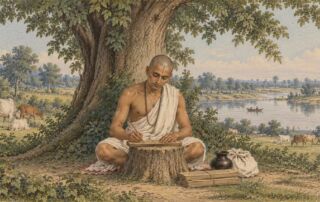
The Six Sandarbhas
In this article, published in Sajjana Toṣaṇī (Vol. 11, Issue 10) in 1900, Śrīla Bhaktivinoda Ṭhākura introduces Śrī Jīva Gosvāmī’s Six Sandarbhas and provides a summary of the first, the Tattva-Sandarbha. Although the Ṭhākura intended to summarise the Bhagavat-Sandarbha in a subsequent issue, unfortunately, this was never published.
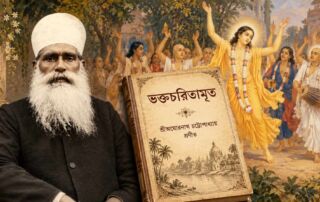
Book Review – Bhakta-caritāmṛta
In this review, published in Sajjana Toṣaṇī (Vol. 6, Issue 2, 1895), Śrīla Bhaktivinoda Ṭhākura examines two books by Aghoranātha Chaṭṭopādhyāya, the noted Bengali educationist and social reformer. While praising the author’s literary skill and industry, Bhaktivinoda questions his grasp of the inner truths of Vaiṣṇava dharma. In particular, he challenges Chaṭṭopādhyāya’s use of the term ādhyātmika (“spiritual”) in reference to transcendental subject matter, emphasising the distinction between intellectual analysis and the direct experience of aprākṛta reality.
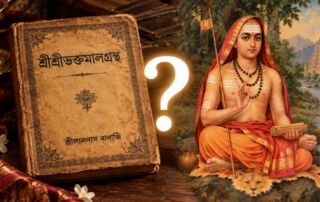
Śrī Lāla Dāsa Bābājī’s Bhakta-māla
In this article, published in Sajjana Toṣaṇī (Vol. 12, Issue 2) in 1900, Bhaktivinoda Ṭhākura examines a questionable passage in the Bengali Bhakta-māla, a compendium of the lives and glories of great devotees. Originally composed in the Vraja-bhūlī language by Nābhā Dāsa, the work was subsequently translated into Bengali and expanded by Lāla Dāsa Bābājī, also known as Kṛṣṇa Dāsa.
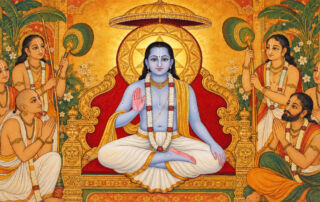
Śrī Nimbādityācārya
Written by Śrīla Bhaktivinoda Ṭhākura in Sajjana Toṣaṇī, Vol. 7, No. 7 (1895), this is the second article he wrote on the teachings of Nimbāditya (the first having appeared in Vol.1). It examines the relationship between the Nimbāditya and Gauḍīya Vaiṣṇava sampradāyas, outlining the principal philosophical categories found in Nimbāditya’s Daśa-ślokī and comparing them with the Gauḍīya doctrine of Acintya-bhedābheda. Bhaktivinoda Ṭhākura also highlights the significant difference between the two schools concerning svakīya and parakīya-rasa, while noting their greater doctrinal affinity with each other than with the other principal Vaiṣṇava schools.
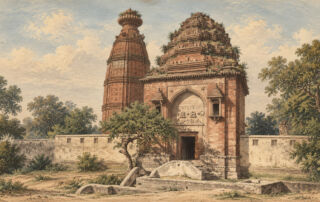
Book Review: Śrī Vṛndāvana Rahasya
In this review of the book ‘Śrī Vṛndāvana Rahasya,’ from Sajjana Toṣaṇī (Vol.10 Issue 5) from 1895, Bhaktivinoda Ṭhākura appreciates Rāma Yādava Bāgchī’s accounts of Śrī Sanātana Gosvāmī, the worship of Śrī Madana Gopāla, and the line of sevaites responsible for the Deity’s service. However, he questions the author’s failure to establish his own spiritual lineage and criticises his praise of questionable Vaiṣṇava groups. Bhaktivinoda emphasises that distinguishing genuine Vaiṣṇavas and authentic sampradāyas from spurious traditions is essential, since the spiritual welfare of the jīva depends upon the association of genuine sādhus.
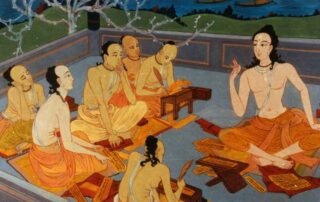
Analysing the Method of Associating with Sādhus (Sādhu-saṅgera Praṇālī Vicāra)
How should we actually associate with sādhus? In this article, Bhaktivinoda Ṭhākura explains the necessity of associating with sādhus and the critical importance of recognising who constitutes a genuine sādhu. Through this deliberation on the methodology of Sādhu-saṅga, he addresses fundamental questions about spiritual association and the criteria by which authentic practitioners may be identified. First published in Sajjana-toṣaṇī, Vol.15, Issue 2, in 1903.
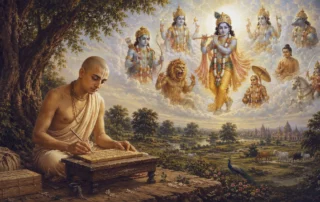
A Review of Śrī Laghu-Bhāgavatāmṛta
In this review of Laghu-Bhāgavatāmṛta, Bhaktivinoda Ṭhākura praises both the exceptional printing and scholarship of the edition, especially its inclusion of Śrī Rūpa Gosvāmī’s original text, Baladeva Vidyābhūṣaṇa’s commentary, and a Bengali translation. He summarises the book’s central theological conclusions – that Kṛṣṇa is the original source of all avatāras, and that the vraja-gopīs, especially Rādhārāṇī, embody the highest form of bhakti. This review was first published in Sajjana Toṣaṇī, Vol 11, Issue 3 in 1899.
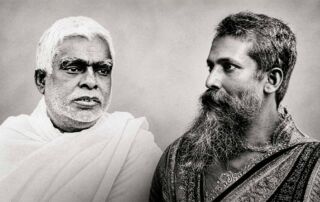
Samālocana: A Review of Dvijendranath Tagore’s Lecture
Śrīla Bhaktivinoda Ṭhākura reviews a lecture by his close friend, Dvijendranath Tagore, on Āryan dharma and Buddhism, appreciating its literary imagination, but pointing out its lack of historical grounding and his misunderstanding of Vaiṣṇava philosophy. The Ṭhākura argues that jñāna is not separate from bhakti, and that knowledge is meaningful only when it leads toward bhakti – not when it remains dry speculation. This article was first published in Sajjana Toṣaṇī, Vol.11, Issue 10 in 1900.







Support the Bhaktivinoda Institute