Reflections
Reflections by Bhaktivinoda Ṭhākura This English poem 'Reflections' was written by Bhaktivinoda Ṭhākura in 1871. The poem was prefaced by the words, “Thoughts on popular topics or occasional notes by Baboo Kedar Nauth Dutta, Dy. Collector and Magistrate.”Alas for those who spend their daysIn festive mirth and joy:The dazzling, deadly, liquid formsTheir hearts fore’er employ.The shining bottles charm their eyesAnd draw their heart’s embrace;The slaves of wine can never riseFrom what we call disgrace.Was man intended to beA brute in work and heart?Should man, the Lord of all around,From common sense depart?Man’s glory is in common Read More...
Madhyāhna-līlā (Afternoon Pastimes)
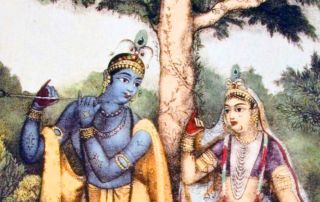
'Sevā Lālasā' (Hankering for Service) is a rare work by Śrīla Bhaktivinoda Ṭhākura, which was first published by Śrīla Bhaktisiddhānta Sarasvatī Ṭhākura in Sajjana Toṣaṇī, Vol.21 Issues 3 and 5 in 1918, after the departure of the Ṭhākura. This esoteric song describes the desire of Bhaktivinoda in his mañjarī-svarūpa to serve Śrīmatī Rādhārāṇī during the various times of the day. It is possible that the latter half of this text was missing or it was left unfinished since the narration ends abruptly at the afternoon pastimes (madhyāna-līlā).
Pūrvāhna-līlā (Late Morning Pastimes)
'Sevā Lālasā' (Hankering for Service) is a rare work by Śrīla Bhaktivinoda Ṭhākura, which was first published by Śrīla Bhaktisiddhānta Sarasvatī Ṭhākura in Sajjana Toṣaṇī, Vol.21 Issues 3 and 5 in 1918, after the departure of the Ṭhākura. This esoteric song describes the desire of Bhaktivinoda in his mañjarī-svarūpa to serve Śrīmatī Rādhārāṇī during the various times of the day. It is possible that the latter half of this text was missing or it was left unfinished since the narration ends abruptly at the afternoon pastimes (madhyāna-līlā).
Prāta-līlā (Early Morning Pastimes)
'Sevā Lālasā' (Hankering for Service) is a rare work by Śrīla Bhaktivinoda Ṭhākura, which was first published by Śrīla Bhaktisiddhānta Sarasvatī Ṭhākura in Sajjana Toṣaṇī, Vol.21 Issues 3 and 5 in 1918, after the departure of the Ṭhākura. This esoteric song describes the desire of Bhaktivinoda in his mañjarī-svarūpa to serve Śrīmatī Rādhārāṇī during the various times of the day. It is possible that the latter half of this text was missing or it was left unfinished since the narration ends abruptly at the afternoon pastimes (madhyāna-līlā).
Niśānta-līlā (Pastimes at the End of Night)
'Sevā Lālasā' (Hankering for Service) is a rare work by Śrīla Bhaktivinoda Ṭhākura, which was first published by Śrīla Bhaktisiddhānta Sarasvatī Ṭhākura in Sajjana Toṣaṇī, Vol.21 Issues 3 and 5 in 1918, after the departure of the Ṭhākura. This esoteric song describes the desire of Bhaktivinoda in his mañjarī-svarūpa to serve Śrīmatī Rādhārāṇī during the various times of the day. It is possible that the latter half of this text was missing or it was left unfinished since the narration ends abruptly at the afternoon pastimes (madhyāna-līlā).
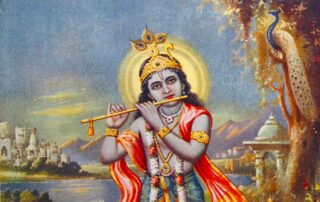
Śrī Kṛṣṇacandra
'Śrī Kṛṣṇacandra' is a rare Bengali song written by Bhaktivinoda Ṭhākura in Purī in 1871. This was unpublished during the Ṭhākura's lifetime and was first published in The Gauḍīya, 18th Vol. July, 1940.
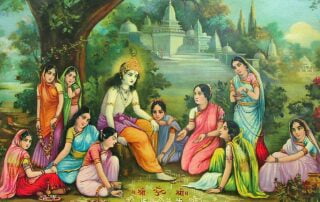
Śrī Gīta Govinda Introduction
This is a rare early work in Bengali prose written by Bhaktivinoda Ṭhākura in 1868 which was included in a copy of Gīta Govinda. Bhaktivinoda uses the pen-name of Śacchidānanda Premālaṅkara as this was before he became known as ‘Bhaktivinoda’.
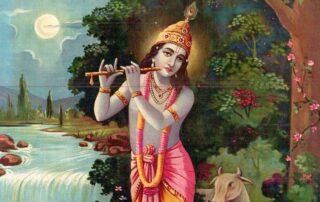
Siddhi Lālasā – Song Ten – ‘śrī-kṛṣṇa-birahe’
Siddhi Lālasā - Song Ten ('śrī-kṛṣṇa-birahe') of Gītā-mālā (‘A Garland of Songs’) written by Bhaktivinoda Ṭhākura in 1893.
Siddhi Lālasā – Song Nine – ‘vṛṣabhānu-sutā-caraṇa’
Siddhi Lālasā - Song Nine ('vṛṣabhānu-sutā-caraṇa') of Gītā-mālā (‘A Garland of Songs’) written by Bhaktivinoda Ṭhākura in 1893.
Siddhi Lālasā – Song Eight – ‘varaṇe taḍita’
Siddhi Lālasā - Song Eight ('varaṇe taḍita') of Gītā-mālā (‘A Garland of Songs’) written by Bhaktivinoda Ṭhākura in 1893.
 On 18th August 2012, on the occasion of his Vyāsa Pūjā, Śrīla Bhakti Gaurava Narasiṅgha Mahārāja announced to the devotees that he had a strong desire to create a website called “Bhaktivinoda Institute” in honour of Śrīla Bhaktivinoda Ṭhākura and his teachings in order to preserve and propagate them.