A Glimpse into the Life Of Thakur Bhakti Vinoda
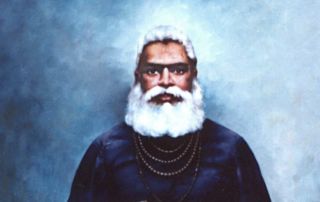
"A Glimpse into the Life Of Thakur Bhakti Vinoda" is a rare biography written in 1916 by Paṇḍita Sātkari Caṭṭopādhyāya Siddhānta-bhūṣaṇa, a friend of Śrīla Bhaktivinoda Ṭhākura. Written on behalf of the Bhaktivinoda Memorial Committee, this short text gives a summary of the Ṭhākura's achievements during his lifetime.

Eulogy for Bhaktivinoda Ṭhākura
Eulogy for Bhaktivinoda Ṭhākura by Sarasvatī Ṭhākura Śrīla Bhaktisiddhānta Ṭhākura Prabhupāda wrote the following words in Sajjana-toṣaṇī after the disappearance of Oṁ Viṣṇupāda Śrīla Bhaktivinoda Ṭhākura Mahāśaya: The purpose of the Sajjana-toṣaṇī remains unchanged. Ṭhākura Mahāśaya has entered the nitya-līlā, but by his blessings this magazine will continue to bring joy to the pious through hari-kathā, just as before.... Some think, accepting the opinion of the material sensualists, that the cause of bhakti is advanced by eliminating the idea of pure devotion; others tarnish pure devotion's beauty by accepting the facile path of Read More...

Śrīmad Bhaktivinoda Viraha Daśakam
When Śrīla Śrīdhara Mahārāja composed the Sanskrit prayer Śrīmad Bhaktivinoda Viraha Daśakam (‘Ten Prayers in Separation of Śrī Bhaktivinoda’) in the year 1936, Śrīla Bhaktisiddhānta Sarasvatī Ṭhākura expressed high appreciation for this composition. He said, "This poem is so fine, it is not written by him - it is written by Śrīla Bhaktivinoda Ṭhākura himself, and has come out through him. It is so appreciable." After reading it he remarked about Śrīla Śrīdhara Mahārāja, “Now I am confident that we have one man who is qualified to uphold the standard of our Sampradāya!” श्रीमद्भक्तिविनोदविरहदशकम् Śrīmad Bhaktivinoda Viraha Read More...

Śrīla Bhaktivinoda Ṭhākura Viraha-guṇa-gāna
Śrīla Bhaktivinoda Ṭhākura Viraha-guṇa-gāna by Anonymous (kothā) bhakativinoda śrī-gaura-svajana! kṛṣṇa-prema dite, esechile martye mānavera sāje karuṇā-kāraṇa (1) O Śrīla Bhaktivinoda Ṭhākura, personal associate of Śrī Gaurahari, where are you? To bestow divine love for Śrī Kṛṣṇa, you came into this mortal world out of your compassion, in the guise of a human being. (yabe) dharma-viplavera, amāniśā-ghore susupta mānava vyabhicāra kare antaryāmī prabhura, hṛdaya vidare jīvera duḥkhete kariyā krandana (2) In the dense darkness of the new moon night, when religion was in turmoil, deeply sleeping humans behaved illicitly. The heart of Antaryāmī, the Read More...

The Appearance Day of Śrīla Bhaktivinoda Ṭhākura
The Appearance Day of Śrīla Bhaktivinoda Ṭhākura by Śrīla A.C. Bhaktivedānta Swami Prabhupāda From a lecture given in London on 3rd September 1971 So today is a very auspicious day, Ṭhākura Bhaktivinoda’s birthday. He was one of the ācāryas of the disciplic succession from Kṛṣṇa. So there is a disciplic succession. And the ācāryas, they’re authorities. Our process of knowledge is very simple. We take it from the authority If you want to know the transcendental science, then you must approach a guru – tad-vijñānārthaṁ sa gurum eva abhigacchet (Muṇḍaka Upaniṣad 1.2.12). Read More...
 On 18th August 2012, on the occasion of his Vyāsa Pūjā, Śrīla Bhakti Gaurava Narasiṅgha Mahārāja announced to the devotees that he had a strong desire to create a website called “Bhaktivinoda Institute” in honour of Śrīla Bhaktivinoda Ṭhākura and his teachings in order to preserve and propagate them.