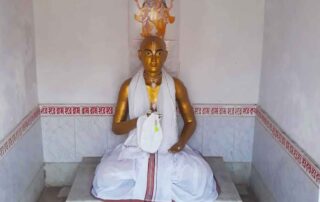
Śrī Śrī Hari Dāsa Ṭhākura’s Place in Kulīnagrāma (Śrī Śrī Hari Dāsa Ṭhākurera Pāṭa – Kulīnagrāma)
Śrī Śrī Hari Dāsa Ṭhākurera Pāṭa – Kulīnagrāma (Śrī Śrī Hari Dāsa Ṭhākura's Place in Kulīnagrāma) was first published in Sajjana Toṣaṇī Vol.3 issue 1 in 1886. Bhaktivinoda Ṭhākura recounts his visit to the place of bhajana of Śrī Hari Dāsa Ṭhākura in Kulīnagrāma and its state of disrepair. He then asks generous donors to come forward to renovate this holy place.
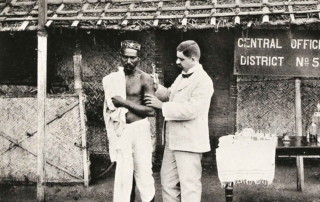
Vigata Vatsarera Samālocanā (A Review of the Previous Year)
Vigata Vatsarera Samālocanā (A Review of the Previous Year) was first published in Sajjana Toṣaṇī, Vol. 11 issue 1 in 1899. In this review, Bhaktivinoda Ṭhākura describes the hardships of the previous year, in particular the outbreak of the Kolkata plague and lack of cow protection. He also describes some of the positive aspects such as the preaching and nagara-saṅkīrtana.
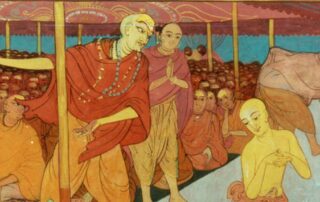
Prabodhānanda and Prakāśānanda
In this article, ‘Prabodhānanda and Prakāśānanda’ first published in Sajjana Toṣaṇī, Vol. 13. issue 1 in 1901 under the title ‘Samālocana’, Śrīla Bhaktivinoda Ṭhākura reviews a book which claims that the Vaiṣṇava ācārya Prabodhānanda Sarasvatī and the māyāvādī Prakāśānanda Sarasvatī are one and the same person.

The Glory of Ārya Dharma Within Pure Sampradāyas (Viśuddha Sāmpradāyikatāī Ārya Dharmera Gaurava)
Viśuddha Sāmpradāyikatāī Ārya Dharmera Gaurava (The Glory of Ārya Dharma Within Pure Sampradāyas) was first published in Sajjana Toṣaṇi, Vol.3 issue 3 in 1886. In this article Bhaktivinoda Ṭhākura explains how sectarianism and the sampradāya concept of the Vedas are not the same thing. He also discusses the dangers of mixing various ideologies with hari-bhakti.
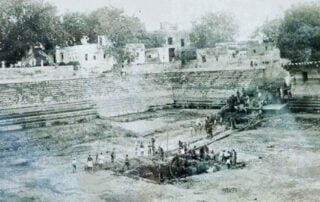
Rādhā-kuṇḍa and Śyāma-kuṇḍa
In this short article, ‘Rādhā-kuṇḍa and Śyāma-kuṇḍa’ first published in Sajjana Toṣaṇī, Vol.7 issue 11 in 1895, Bhaktivinoda Ṭhākura shares news with his readers concerning the renovation of Rādhā-kuṇḍa and Śyāma-kuṇḍa in Vraja-maṇḍala.

Puratana Gañja of Śrīdhāma Navadvīpa (Śridhāma Navadvīpera Puratana Gañja)
Śridhāma Navadvīpera Puratana Gañja (Puratana Gañja of Śrīdhāma Navadvīpa) was first published in Sajjana Toṣaṇī Vol. 7 issue 4 in 1895. Continuing from the previous two articles about the location of Kuliyā in Navasvīpa, Bhaktivinoda Ṭhākura now turns his attention to the location of the real Śrīvāsa-aṅgana.
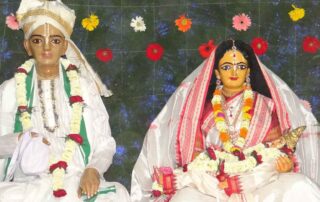
What Has Happened in Śrī Māyāpura? (Śrī Māyāpura Ki Ki Haiyeche?)
Śrī Māyāpura Ki Ki Haiyeche? (What Has Happened in Śrī Māyāpura?) was first published in Sajjana Toṣaṇī Vol.5 issue 12 in 1893. Bhaktivinoda Ṭhākura gives a summary of the upcoming Gaura Pūrṇīmā festival in Śrīdhāma Māyāpura including the installation of the Deities and the saṅkīrtana being held during the lunar eclipse that year.
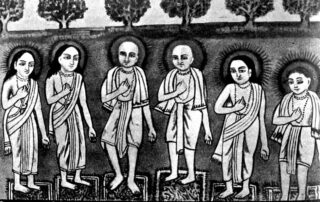
A Discussion in Relation to the Dates of the Six Gosvāmīs (Chaya Gosvāmī Sambandha Abda Nirṇaya)
Chaya Gosvāmī Sambandha Abda Nirṇaya (A Discussion in Relation to the Dates of the Six Gosvāmīs) was first published in Sajjana Toṣaṇī Vol. 2. Issue 2 in 1885. Bhaktivinoda Ṭhākura shares with his readers a list of dates that he discovered concerning the Six Gosvāmīs.
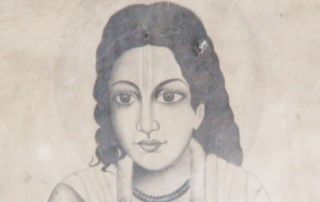
Śrī Śrīnivāsa Ācārya Prabhu
‘Śrī Śrīnivāsa Ācārya Prabhu’ was first published in Sajjana Toṣaṇī, Vol.2 issue 10 in 1885. In this short biography, Bhaktivinoda Ṭhākura narrates the life of Śrīnivāsa Ācārya and his pilgrimage to Navadvīpa, Purī and Vraja-dhāma.
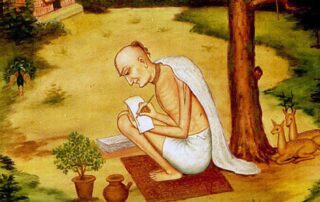
Śrī Śrī Kṛṣṇa Dāsa Kavirāja Gosvāmī Prabhu
‘Śrī Śrī Kṛṣṇa Dāsa Kavirāja Gosvāmī Prabhu’ was first published in Sajjana Toṣaṇī, Vol.2 issue 10 in 1885. Bhaktivinoda Ṭhākura gives a brief biography of Kavirāja Gosvāmī and praises him for mercifully composing the Caitanya-caritāmṛta.
 On 18th August 2012, on the occasion of his Vyāsa Pūjā, Śrīla Bhakti Gaurava Narasiṅgha Mahārāja announced to the devotees that he had a strong desire to create a website called “Bhaktivinoda Institute” in honour of Śrīla Bhaktivinoda Ṭhākura and his teachings in order to preserve and propagate them.