Articles by Śrīla Bhaktivinoda Ṭhākura
Discover the profound wisdom of Śrīla Bhaktivinoda Ṭhākura, through our vast collection of his written articles that explore various aspects of Gauḍiya Vaiṣṇavism. Gain valuable insights into the path of bhakti-yoga as you delve into the teachings of this celebrated vaiṣṇava luminary. Our user-friendly interface makes it easy to access and explore the works of Bhaktivinoda Ṭhākura by topic.
Articles by Śrīla Bhaktivinoda Ṭhākura
Discover the profound wisdom of Śrīla Bhaktivinoda Ṭhākura, through our vast collection of his written articles that explore various aspects of Gauḍiya Vaiṣṇavism. Gain valuable insights into the path of bhakti-yoga as you delve into the teachings of this celebrated vaiṣṇava luminary. Our user-friendly interface makes it easy to access and explore the works of Bhaktivinoda Ṭhākura by topic.

The Natural and Marginal Characteristics of a Vaiṣṇava (Vaiṣṇavera Svarūpa u Taṭastha Lakṣaṇa)
In Vaiṣṇavera Svarūpa u Taṭastha Lakṣaṇa (The Natural and Marginal Characteristics of a Vaiṣṇava), published in Sajjana Toṣaṇi, Vol.4, Issue 1 in 1892, Śrīla Bhaktivinoda Thākura describes the two types of characteristics found in Vaiṣṇavas. He explains the twenty-six qualities of a Vaiṣṇava and how such qualities, when found in a non-devotee, are useless.
Who is a Māyāvādī? (Māyāvādī Kāhāke Bali?)
In Māyāvādī Kāhāke Bali? (Who is a Māyāvādī?), published in Sajjana Toṣaṇi, Vol.5, Issue 12 in 1894, Śrīla Bhaktivinoda Thākura explains in detail why māyāvādīs are considered to be offenders to Kṛṣṇa, and why their so-called displays of devotion are useless.
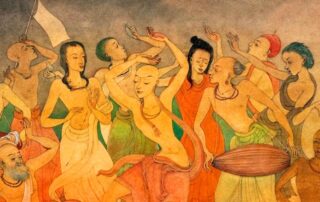
The Essence of the Ten Foundational Principles (Daśa-mūla Niryāsa)
In 'Daśa-mūla Niryāsa (The Essence of the Ten Foundational Principles), published in Sajjana Toṣaṇi, Vol.8, Issue 9 in 1897, Śrīla Bhaktivinoda Thākura outlines in detail the famous ten foundational principles found in the teachings of Śri Caitanya Mahāprabhu.
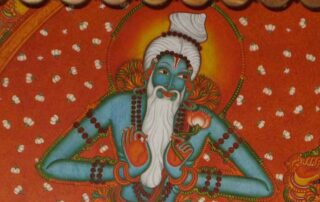
The Vedānta Philosophy (Vedānta Darśana)
In Vedānta Darśana (The Vedānta Philosophy), published in Sajjana Toṣaṇi, Vol.8, Issue 1 in 1896, Śrīla Bhaktivinoda Thākura gives a brief history of the Brahma-sūtras (Vedānta) and explains what is within them.
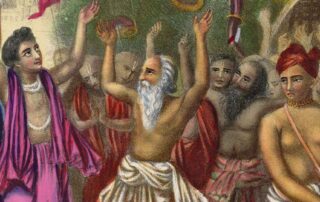
Nāḍā
Did Advaita Ācārya have a beard? Was he bald? In this article by Bhaktivinoda Ṭhākura, from Sajjana Toṣaṇī Vol.7. issues 9-11 from 1896, the Ṭhākura gives evidence from various śāstra and explains the true meaning of the word 'nāḍā.

Bhaktira Prati Aparādha (Offences Against Bhakti)
We take initiation, chant the Holy Name, follow Ekādaśī, worship the Deity, go on pilgrimage to holy places - but we still feel nothing! Why? In this important article, 'Bhaktira Prati Aparādha (Offences Against Bhakti)' by Bhaktivinoda Ṭhākura, first published in Sajjana Toṣaṇī, Vol. 8. Issue 10 in 1896, the Ṭhākura explains clearly where we are going wrong.
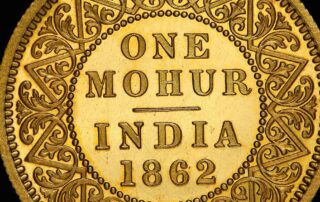
Vaiṣṇavera Sañcaya (The Savings of a Vaiṣṇava)
'Vaiṣṇavera Sañcaya (The Savings of a Vaiṣṇava) was written by Bhaktivinoda Ṭhākura for Sajjana Toṣaṇī, Vol.5, issue 11 in 1894. Śrīla Bhaktivinoda Ṭhākura describes in this article how it is not wrong for householder Vaiṣṇavas to save money in order to maintain their families and to engage in kṛṣṇa-sevā and vaiṣṇava-sevā. He also describes the rules for householders and mendicants.
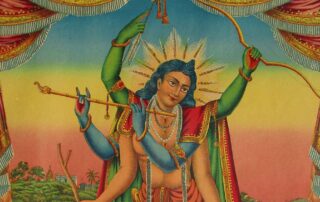
The Non-Difference Between Śrī Gaura and Kṛṣna (Śrī Gaura Kṛṣṇa Abheda)
Śrī Gaura Kṛṣṇa Abheda (The Non-Difference Between Śrī Gaura and Kṛṣna) was written by Bhaktivinoda Ṭhākura for Sajjana Toṣaṇī, Vol.11, issue 6 in 1899. In this article, Śrīla Bhaktivinoda Ṭhākura describes how Gaurāṅga and Kṛṣṇa are identical, and how one cannot simply worship Gaura and reject Kṛṣṇa as some persons were doing at the time.
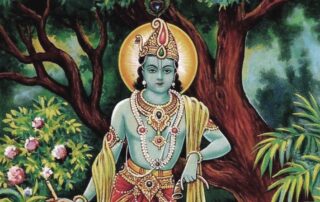
Kṛṣṇa-dāsya (Servitorship to Kṛṣṇa)
This article, Kṛṣṇa-dāsya (Servitorship to Kṛṣṇa) was written by Bhaktivinoda Ṭhākura for Sajjana Toṣaṇī, Vol.11, issue 6 in 1899. Śrīla Bhaktivinoda Ṭhākura explains the process how one can attain true kṛṣṇa-dāsya by avoiding nāmāparādha and by taking shelter of a genuine guru.

Nāmāśrayera Phala (The Results of Taking Shelter of Nāma)
This article, Nāmāśrayera Phala (The Results of Taking Shelter of Nāma) was written by Bhaktivinoda Ṭhākura in Sajjana Toṣaṇī, Vol.11, issue 5 in 1899. Śrīla Bhaktivinoda explains the results of chanting the Holy Name in regards to sambhoga-rasa and vipralambha-rasa.
 On 18th August 2012, on the occasion of his Vyāsa Pūjā, Śrīla Bhakti Gaurava Narasiṅgha Mahārāja announced to the devotees that he had a strong desire to create a website called “Bhaktivinoda Institute” in honour of Śrīla Bhaktivinoda Ṭhākura and his teachings in order to preserve and propagate them.