Articles by Śrīla Bhaktivinoda Ṭhākura
Discover the profound wisdom of Śrīla Bhaktivinoda Ṭhākura, through our vast collection of his written articles that explore various aspects of Gauḍiya Vaiṣṇavism. Gain valuable insights into the path of bhakti-yoga as you delve into the teachings of this celebrated vaiṣṇava luminary. Our user-friendly interface makes it easy to access and explore the works of Bhaktivinoda Ṭhākura by topic.
Articles by Śrīla Bhaktivinoda Ṭhākura
Discover the profound wisdom of Śrīla Bhaktivinoda Ṭhākura, through our vast collection of his written articles that explore various aspects of Gauḍiya Vaiṣṇavism. Gain valuable insights into the path of bhakti-yoga as you delve into the teachings of this celebrated vaiṣṇava luminary. Our user-friendly interface makes it easy to access and explore the works of Bhaktivinoda Ṭhākura by topic.
Pañca Saṁskāra (The Process of Initiation)
This article about pañca-saṁskāra (the process of initiation) in the Gauḍīya sampradāya was originally published in Sajjana Toṣaṇī, (vol. 2.1) in 1885.
A Review of Nitya-rupa-sangsthapanam – A Sanscrit Work
Ṭhākura Bhaktivinoda composed this book review "A Review of Nitya-rupa-sangsthapanam – A Sanscrit Work" in English for publication in a European journal 1883. He came across a book written by one Upendra Mohana Gosvāmī entitled "Nitya-rūpa-saṁsthāpanam" (Establishing God's Eternal Form), and liked the way it presented the facts about the Lord's existence in a logical, straightforward way. His purpose in writing this review was to interest educated Western readers.

The Sunrise of Eternal Dharma (Nitya Dharma Sūryodaya)
This important article "Nitya Dharma Sūryodaya (The Sunrise of Eternal Dharma)" which was first published in 1885 in Volume 4, Issue 3 of Sajjana Toṣaṇī, predicts the spread of Śrī Caitanya Mahāprabhu’s nāma-saṅkīrtana movement all over the world.

Mātsarya (Envy)
In this article "Mātsarya (Envy)" from Sajjana Toṣaṇi Vol.4, Bhaktivinoda Ṭhākura deliberates upon envy according to the Vaiṣṇava perspective as a direct competitor to divine love (prema) and the harm it does to a practicing devotee.
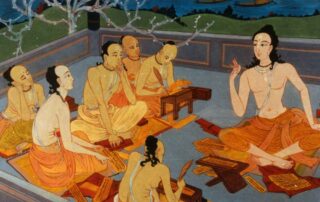
Deliberation on the Methodology of Sādhu-saṅga
In this article 'Deliberation on the Methodology of Sādhu-saṅga', originally published in Śrī Sajjana-toṣaṇī in 1917, Bhaktivinoda Ṭhākura explains the necessity of associating with sādhus (Sādhu-saṅga), as well as the necessity of recognising who is a sādhu.

A dispute about Śrī Śrī Mahāprabhu (Śrī Śrī Māhāprabhura Sambandhe Vitarka)
This article Śrī Śrīman Mahāprabhura Sambandhe Vitarka (A Dispute about Śrī Śrī Mahāprabhu) was first published Sajjana Toṣaṇī Vol 4, Issue 1 in 1892 and deals with the doubts created by certain caste-gosvāmīs on the validity of the gaura-mantra, and the necessity of fasting on the appearance day of Śrī Caitanya Mahāprabhu.
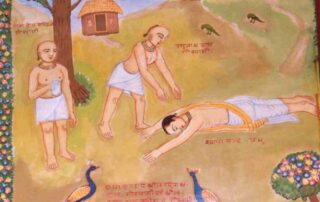
Dainya (Humility)
In this Bengali article Dainya (Humility), Bhaktivinoda Ṭhākura stresses the need for humility in nāma-sādhana, the practice of chanting the Holy Name.
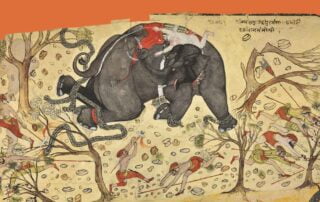
Vaiṣṇava Nindā (Offences to Devotees)
In Vaiṣṇava Nindā (Offences to Devotees), Bhaktivinoda Ṭhākura describes the different categories of jīvas and Vaiṣṇavas and explains the dangers of committing offences to them.

To Love God
To Love God is a short English article written by Bhaktivinoda Thakura in 1871, describing bhakti (love) as the religion of the soul. The piece is based on Christ Jesus' teaching "Love God with all thy heart, with all thy mind, and with all thy strength, and love man as thy brother.
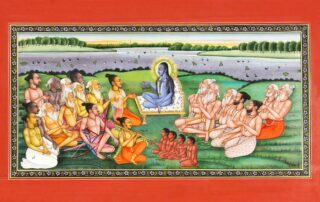
The Bhagavat – It’s Philosophy It’s Ethics and It’s Theology
Originally an English lecture on the Śrīmad Bhāgavatam, delivered in Dinajpur in 1869. The Bhagavat - It's Philosophy, It's Ethics and It's Theology - explains the flaws of orthodox Hinduism as well as the philosophy of the newly formed Brahmo Samaj.
 On 18th August 2012, on the occasion of his Vyāsa Pūjā, Śrīla Bhakti Gaurava Narasiṅgha Mahārāja announced to the devotees that he had a strong desire to create a website called “Bhaktivinoda Institute” in honour of Śrīla Bhaktivinoda Ṭhākura and his teachings in order to preserve and propagate them.