
Original Unabridged Translations
Articles by Śrīla Bhaktivinoda Ṭhākura
Original articles by Śrīla Bhaktivinoda Ṭhākura, translated from Bengali — the most comprehensive collection of his written works available anywhere on the internet.

Āmnāya Daśa Mūla
This article presents the ten principal philosophical truths of Gauḍīya Vaiṣṇava siddhānta as found in the Vedic Upaniṣads, the Bhagavad-gīta, the Śrīmad Bhāgavatam, and the Caitanya-caritāmṛta. Bhaktivinoda Ṭhākura provides his own translation of each verse and incorporates his commentary directly into the text. The Ṭhākura explores this topic in greater depth in other works such as Vaiṣṇava-siddhānta-mālā, Śrīman Mahāprabhura Śikṣa, and Jaiva-dharma. This piece was the first of four short articles, probably written in the 1890s.
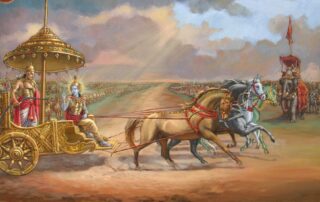
The Secret of the Lord’s Appearance According to the Gītā (Gītāra Janma Rahasya)
Ṭhākura Bhaktivinoda explains the transcendental position of Śrī Kṛṣṇa based on the Fourth Chapter of the Bhagavad-gītā. This article examines the philosophical foundations of the Lord’s divine nature and His eternal, unchanging existence beyond the material realm, drawing upon scriptural analysis to illuminate the metaphysical principles underlying Kṛṣṇa’s avatāra and divine manifestations. The work demonstrates how the Gītā itself provides the framework for understanding the Supreme Lord’s transcendental characteristics and His relationship to creation. First published in Gītāra Janma Rahasya (The Secret of the Lord's Appearance According to the Gītā).

Topics in Praise of Śrī Gaṅgā Devī (Śrī Gaṅgā-devīr-māhātmya Viṣaye Arthavāda)
Bhaktivinoda Ṭhākura writes about the purity of the Gaṅgā as well as the offences one may commit in bathing in her waters. The text explores the spiritual significance and practical considerations surrounding this sacred river and its proper veneration. First published in Sajjana Toṣaṇī, Vol. 10, Issue 4, 1899.



Support the Bhaktivinoda Institute