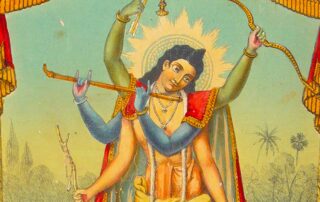
Samāvedana (A Respectful Petition)
Samāvedana (A Respectful Petition) was first published in Sajjana Toṣaṇī Vol.3, issue 1 in 1886. In this brief editorial for the third year of Sajjana Toṣaṇī, Bhaktivinoda Ṭhākura prays to Mahāprabhu, glorifying Him and predicting that His message will soon travel to distant lands. He also mentions the service that the ‘beggar-girl’ Sajjana Toṣaṇī is doing to propagate the message of Śrī Caitanya.
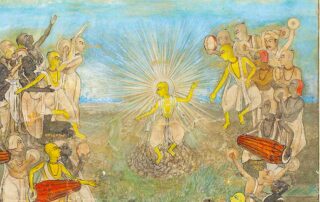
Śrī Caitanya-bhāgavata
‘Śrī Caitanya-bhāgavata’ was first published in Sajjana Toṣaṇi, Vol. 13 issue 1 in 1901. Śrīla Bhaktivinoda Ṭhākur reviews a new edition of Śrī Caitanya Bhāgavata by Atula Kṛṣṇa Gosvāmī. While the Thākura is very happy for the most part with the publication, he also points out some defects.
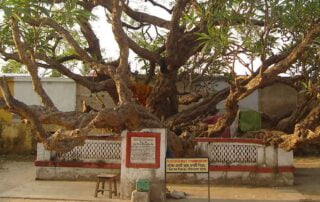
Śrī Sīmantadvīpa
‘Śrī Sīmantadvīpa’ was first published in volume 2 of Viṣṇupriyā Patrikā in 1891. In this article, Bhaktivinoda Ṭhākura narrates some of the features and pastimes of Mahāprabhu on the island of Sīmantadvīpa.
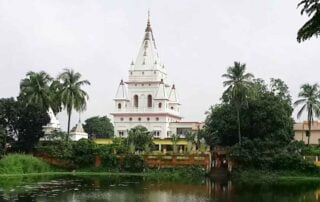
Śrī Śrī Navadvīpa Dhāma
‘Śrī Śrī Navadvīpa Dhāma’ was first published in Śrī Viṣṇupriyā Patrikā, Vol.2 issue 5 in 1891. This article was written just after Bhaktivinoda Ṭhākura had published Śrī Navadvīpa Dhāma Māhātmya, and here, we find the Ṭhākura giving evidence for Māyāpura as the birthplace of Śrī Caitanya Mahāprabhu.

‘Yugāvatāra’
‘Yugāvatāra’ was first published in Sajjana Toṣaṇī, Vol.8 issue 7 in 1896. In this review of the book ‘Yugavatāra’ by Narendranātha Mukhopādhyāya, Bhaktivinoda Ṭhākura gives suggestions on the improvement of the text and then cites a passage from the work describing the destruction of Bengal by the Muslim fanatic, Bakhtiyar Khilji.
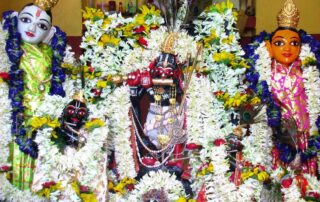
Śrī Śrī Abhirāma Gosvāmī
Śrī Śrī Abhirāma Gosvāmī was first published in Sajjana Toṣaṇī Vol.2 issue 5 in 1885. In this short biography, Bhaktivinoda Ṭhākura tells the story of Abhirāma Ṭhākura and how he tested Śrīnivāsa Ācārya.
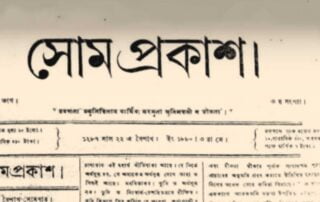
The Soma Prakāśa and Vaiṣṇavism (Soma Prakāśa u Vaiṣṇava Dharma)
Soma Prakāśa u Vaiṣṇava Dharma (The Soma Prakāśa and Vaiṣṇavism) was published in Sajjana Toṣaṇī, Vol. 2. Issue 11 in 1885. This essay by Bhaktivinoda Ṭhākura is in response to an article by the editor of the Soma Prakāśa newspaper who made derogatory statements against Śrī Caitanya Mahāprabhu and Vaiṣṇavism. At the conclusion of his article, Bhaktivinoda explains something about Hinduism and Vaiṣṇavism.

A Critique – ‘Śrī Śrī Caitanyadeva and Prema Dharma’ (Samālocana – Śrī Śrī Caitanyadeva o Prema Dharma)
‘Samālocana – Śrī Śrī Caitanyadeva o Prema Dharma (A Critique - 'Śrī Śrī Caitanyadeva and Prema Dharma') was published in Sajjana Toṣaṇī, Vol.6, Issue 8 in 1894. In this review of a book by Candra-vinoda Pāla Chaudhuri, Ṭhākura Bhaktivinoda commends the author on his modern style of writing and explains the concept of sāragrāhi (the essence-seeker).
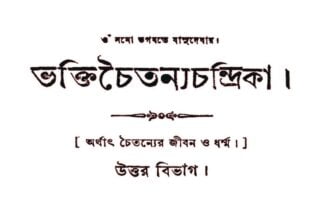
Bhakti Caitanya Candrikā
‘Bhakti Caitanya Candrikā’ was first published in Sajjana Toṣaṇī, Vol.1 in 1881. This is a review of a book called Bhakti Caitanya Candrikā by Chiranjeev Sharma. Śrīla Bhaktivinoda Ṭhākura points out the glaring defects of the author in presenting the life and teachings of Śrī Caitanya while adulterating them with impersonal philosophy.
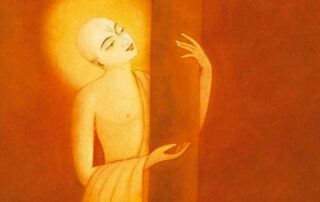
A New Gaurāṅga (Nūtana Gaurāṅga)
Nūtana Gaurāṅga (A New Gaurāṅga) was published in Sajjana Toṣaṇī, Vol 8 Issue 1 in 1896. In this editorial, Śrīla Bhaktivinoda Ṭhākura speaks about the various devotional achievements in the last year, as well as the obstacles created by envious persons, and then goes on to mention how some persons have created a 'new Gaurāṅga' who has come to harmonise all beliefs.
 On 18th August 2012, on the occasion of his Vyāsa Pūjā, Śrīla Bhakti Gaurava Narasiṅgha Mahārāja announced to the devotees that he had a strong desire to create a website called “Bhaktivinoda Institute” in honour of Śrīla Bhaktivinoda Ṭhākura and his teachings in order to preserve and propagate them.