Articles by Śrīla Bhaktivinoda Ṭhākura
Discover the profound wisdom of Śrīla Bhaktivinoda Ṭhākura, through our vast collection of his written articles that explore various aspects of Gauḍiya Vaiṣṇavism. Gain valuable insights into the path of bhakti-yoga as you delve into the teachings of this celebrated vaiṣṇava luminary. Our user-friendly interface makes it easy to access and explore the works of Bhaktivinoda Ṭhākura by topic.
Articles by Śrīla Bhaktivinoda Ṭhākura
Discover the profound wisdom of Śrīla Bhaktivinoda Ṭhākura, through our vast collection of his written articles that explore various aspects of Gauḍiya Vaiṣṇavism. Gain valuable insights into the path of bhakti-yoga as you delve into the teachings of this celebrated vaiṣṇava luminary. Our user-friendly interface makes it easy to access and explore the works of Bhaktivinoda Ṭhākura by topic.
Vairāgya (Renunciation)
This article ‘Vairāgya’ by Śrīla Bhaktivinoda Ṭhākura seems to have been published after his disappearance by Śrīla Sarasvatī Ṭhākura in Sajjana Toṣaṇī, Vol.24. Issues 1-2. Bhaktivinoda had previously written a similar article in Vol.11, Issue 6, however, this more extensive article gives greater detail about the topic of renunciation, its characteristics and who is qualified to be a renunciate.

Jñāna (Knowledge)
Jñāna (‘Knowledge’) was first published in Sajjana Toṣaṇī, Vol.8, Issue 7 in 1897. Śrīla Bhaktivinoda Ṭhākura analyses what is jñāna and then defines the various types of jñāna specifically in relation to the jīva - in particular, he explains svabhāvaja-jñāna (inherent knowledge) and prasādaja-jñāna (knowledge born from mercy).

Markaṭa Vairāgī (Monkey Renunciates)
Markaṭa Vairāgī (‘Monkey Renunciates’) was first published in Sajjana Toṣaṇī, Vol.8, Issue 10 in 1897. In this article, Śrīla Bhaktivinoda Ṭhākura discusses Mahāprabhu’s instructions to Raghunātha Dāsa Gosvāmī as well as the two types of fake renunciates found in both the gṛhastha āśrama and the sannyāsa āśrama.

Samāvedana (Editorial)
'Samāvedana' (Editorial) was first published in Sajjana Toṣaṇī, Vol 1 in 1881. This brief editorial was written in the first year that Bhaktivinoda Ṭhākura began his magazine, and despite health issues, the Ṭhākura was determined to continue with its publication. He mentions herein that he did not expect the readership of Sajjana Toṣaṇī to be large since most people are not interested in spiritual topics.
Śrī Vaiṣṇavera Varṇāśrama (‘The Varṇāśrama of a Pure Vaiṣṇava’)
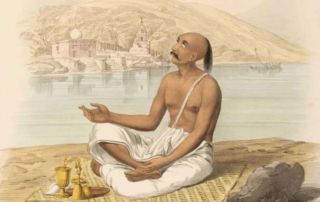
Śrī Vaiṣṇavera Varṇāśrama ('The Varṇāśrama of a Pure Vaiṣṉava') was first published in Sajjana Toṣaṇī, Vol. 11. Issue 10 in 1900. In this article, Bhaktivinoda Ṭhākura explains how pure Vaiṣṇavas are transcendental to varṇa and āśrama because all of their activities are meant for cultivating kṛṣṇa-bhakti.

Śraddhā and Śaraṇāgati
‘Śraddhā and Śaraṇāgati’ was first published in Sajjana Toṣaṇī Vol. 4, Issue 9 in 1892. In this article, Bhaktivinoda Ṭhākura explains the difference between śraddhā and bhakti, the nature of śaraṇāgati, and the six limbs of surrender.

Siddhānta-Ratna – Written by Śrīyukta Upendra-mohana Gosvāmī of Khaḍadara
Siddhānta-Ratna – Praṇetā Śrīyukta Upendra-mohana Gosvāmī Nivāsa Khaḍadara (Siddhānta-Ratna – Written by Śrīyukta Upendra-mohana Gosvāmī of Khaḍadara) was published in Sajjana Toṣaṇī, Vol.1 in 1881. In this book review, Bhaktivinoda Ṭhākura praises the author of a new book on philosophy, but bemoans the fact that the style of his language is unreadable to most people.
Vedānta Śāstra
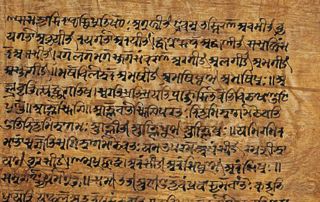
‘Vedānta Śāstra’ was first published in Sajjana Toṣaṇī, Vol. 1 issue 1 in 1881. This was the first ever article written for Sajjana Toṣaṇī by Śrīla Bhaktivinoda Ṭhākura. In this brief editorial, the Ṭhākura explains how he plans to publish the Govinda Bhāṣya of Baladeva Vidyābhūṣaṇa, but first wishes to extend the subscriber base of the magazine first.
Śrī Śrī Hari Dāsa Ṭhākura’s Place in Kulīnagrāma (Śrī Śrī Hari Dāsa Ṭhākurera Pāṭa – Kulīnagrāma)
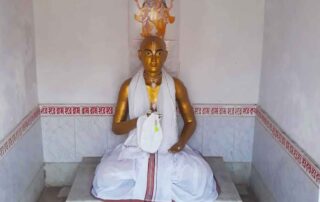
Śrī Śrī Hari Dāsa Ṭhākurera Pāṭa – Kulīnagrāma (Śrī Śrī Hari Dāsa Ṭhākura's Place in Kulīnagrāma) was first published in Sajjana Toṣaṇī Vol.3 issue 1 in 1886. Bhaktivinoda Ṭhākura recounts his visit to the place of bhajana of Śrī Hari Dāsa Ṭhākura in Kulīnagrāma and its state of disrepair. He then asks generous donors to come forward to renovate this holy place.
Samāvedana (A Respectful Petition)
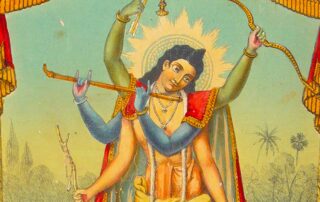
Samāvedana (A Respectful Petition) was first published in Sajjana Toṣaṇī Vol.3, issue 1 in 1886. In this brief editorial for the third year of Sajjana Toṣaṇī, Bhaktivinoda Ṭhākura prays to Mahāprabhu, glorifying Him and predicting that His message will soon travel to distant lands. He also mentions the service that the ‘beggar-girl’ Sajjana Toṣaṇī is doing to propagate the message of Śrī Caitanya.
 On 18th August 2012, on the occasion of his Vyāsa Pūjā, Śrīla Bhakti Gaurava Narasiṅgha Mahārāja announced to the devotees that he had a strong desire to create a website called “Bhaktivinoda Institute” in honour of Śrīla Bhaktivinoda Ṭhākura and his teachings in order to preserve and propagate them.