
Original Unabridged Translations
Articles by Śrīla Bhaktivinoda Ṭhākura
Original articles by Śrīla Bhaktivinoda Ṭhākura, translated from Bengali — the most comprehensive collection of his written works available anywhere on the internet.

Who is a Māyāvādī? (Māyāvādī Kāhāke Bali?)
Śrīla Bhaktivinoda Ṭhākura explains in detail why māyāvādīs are considered to be offenders to Kṛṣṇa, and why their so-called displays of devotion are useless. This article systematically analyses the philosophical errors and spiritual shortcomings of māyāvāda doctrine, demonstrating its incompatibility with genuine bhakti practice and its failure to lead practitioners toward authentic devotional service to the Supreme Lord. First published in Sajjana Toṣaṇī, Vol. 5, Issue 12, 1894.
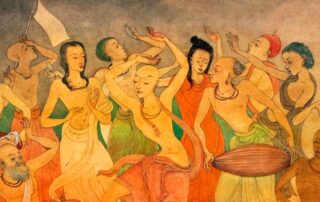
The Essence of the Ten Foundational Principles (Daśa-mūla Niryāsa)
Śrīla Bhaktivinoda Ṭhākura outlines in detail the famous ten foundational principles found in the teachings of Śrī Caitanya Mahāprabhu. These essential doctrines form the philosophical and spiritual foundation of Caitanya Vaiṣṇavism and represent core tenets that guide devotional practice and understanding. The article systematically presents each principle, examining their significance and interconnection within the broader framework of Gauḍīya Vaiṣṇava theology. First published in Sajjana Toṣaṇī, Vol. 8, Issue 9, 1897.
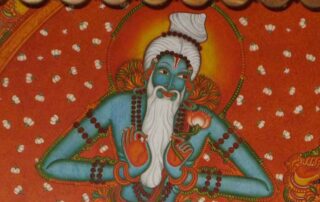
The Vedānta Philosophy (Vedānta Darśana)
Śrīla Bhaktivinoda Ṭhākura presents a brief history of the Brahma-sūtras (Vedānta) and explains their contents. This article explores the foundational philosophical text that systematises the teachings of the Upaniṣads and establishes the metaphysical framework central to Vedāntic thought. First published in Sajjana Toṣaṇī, Vol. 8, Issue 1, 1896.
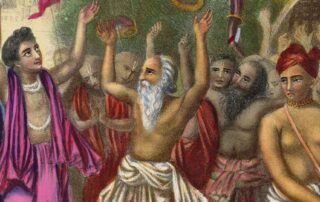
Nāḍā
Bhaktivinoda Ṭhākura addresses the question of Advaita Ācārya’s physical appearance, examining whether he possessed a beard and whether he was bald. Drawing upon evidence from various śāstra, the author elucidates the true meaning of the word nāḍā and provides a scholarly analysis of this traditionally debated topic. First published in Sajjana Toṣaṇī, Vol. 7, Issues 9–11, 1896.

Offences Against Bhakti (Bhaktira Prati Aparādha)
In this important article, Bhaktivinoda Ṭhākura explains where practitioners go wrong in their devotional lives. Though they take initiation, chant the Holy Name, observe Ekādaśī, worship the Deity, and undertake pilgrimage to sacred places, they often feel no genuine spiritual progress. The Ṭhākura analyses the root causes of this spiritual stagnation by examining the offences against bhakti that obstruct the devotee’s realisation of divine grace and communion with the Lord. First published in Sajjana Toṣaṇī, Vol. 8, Issue 10, 1896.

The Savings of a Vaiṣṇava (Vaiṣṇavera Sañcaya)
Vaiṣṇavera Sañcaya (The Savings of a Vaiṣṇava) examines how householder Vaiṣṇavas may properly save money to maintain their families whilst engaging in kṛṣṇa-sevā and vaiṣṇava-sevā. Śrīla Bhaktivinoda Ṭhākura outlines the distinctions between the duties and practices of householders and mendicants, clarifying that financial prudence is not inconsistent with sincere devotional service. First published in Sajjana Toṣaṇī, Vol. 5, Issue 11, 1894.
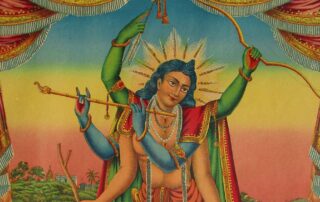
The Non-Difference Between Śrī Gaura and Kṛṣna (Śrī Gaura Kṛṣṇa Abheda)
In this article, Śrīla Bhaktivinoda Ṭhākura describes how Gaurāṅga and Kṛṣṇa are identical, and how one cannot simply worship Gaura and reject Kṛṣṇa as some persons were doing at the time. The piece emphasises the fundamental non-difference between these two forms of the Divine and addresses a contemporary misunderstanding amongst practitioners. First published in Sajjana Toṣaṇī, Vol. 11, Issue 6, 1899.

Kṛṣṇa-dāsya (Servitorship to Kṛṣṇa)
Bhaktivinoda Ṭhākura expounds upon the nature of kṛṣṇa-dāsya (servitorship to Kṛṣṇa) and the process by which one may attain this elevated spiritual state. The text emphasises the necessity of avoiding nāmāparādha and of seeking shelter with a genuine guru as essential means to realising authentic kṛṣṇa-dāsya. First published in Sajjana Toṣaṇī, Vol. 11, Issue 6, 1899.

The Results of Taking Shelter of Nāma (Nāmāśrayera Phala)
In this article, Bhaktivinoda Ṭhākura examines the results of taking shelter in the Holy Name (nāma), with particular attention to the devotional experience that unfolds through chanting. The work explores how the Name produces transformations in relation to two fundamental states of divine love: sambhoga-rasa (the mood of union with the Divine) and vipralambha-rasa (the mood of separation). Through this analysis, Śrīla Bhaktivinoda illuminates the profound fruit that becomes manifest when one establishes oneself in the practice of nāma-śaraṇa. First published in Sajjana Toṣaṇī, Vol. 11, Issue 5, 1899.

Buddha-Gayā
Bhaktivinoda Ṭhākura reports on a meeting amongst the paṇḍita community of Gayā to ascertain the significance of Bodhagayā for Hindus. The article examines the religious and scholarly dimensions of this important pilgrimage site and the discussions that took place amongst learned Hindu theologians regarding its place within Hindu tradition. First published in Sajjana Toṣaṇī, Vol. 7, Issue 1, 1895.




Support the Bhaktivinoda Institute