Articles by Śrīla Bhaktivinoda Ṭhākura
Discover the profound wisdom of Śrīla Bhaktivinoda Ṭhākura, through our vast collection of his written articles that explore various aspects of Gauḍiya Vaiṣṇavism. Gain valuable insights into the path of bhakti-yoga as you delve into the teachings of this celebrated vaiṣṇava luminary. Our user-friendly interface makes it easy to access and explore the works of Bhaktivinoda Ṭhākura by topic.
Articles by Śrīla Bhaktivinoda Ṭhākura
Discover the profound wisdom of Śrīla Bhaktivinoda Ṭhākura, through our vast collection of his written articles that explore various aspects of Gauḍiya Vaiṣṇavism. Gain valuable insights into the path of bhakti-yoga as you delve into the teachings of this celebrated vaiṣṇava luminary. Our user-friendly interface makes it easy to access and explore the works of Bhaktivinoda Ṭhākura by topic.
Ṭahala (Patrol)
Ṭahala (Patrol) was first published in Sajjana Toṣaṇī, Vol. 8, issue 8 in 1896. In this short essay, Bhaktivinoda Ṭhākura calls his readers’ attention to those who make money through chanting the Holy Name, and explains how this nefarious practice is against the instructions of Mahāprabhu.
Śrī Śrī Prabhu Rāmacandra Gosvāmī
‘Śrī Śrī Prabhu Rāmacandra Gosvāmī’ was first published by Bhaktivinoda Ṭhākura in Sajjana Toṣaṇī Vol. 2, issue 4 in 1885. This is a brief biography of Rāmacandra Gosvāmī (Ramāi Ṭhākura), the adopted son of Jāhnavā Devī.
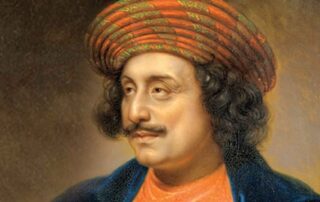
Genuine improvement within Brahmo Dharma (Brāhmo Dharma Prakṛta Unnati)
‘Brāhmo Dharma Prakṛta Unnati' (Genuine improvement within Brahmo Dharma) was first published by Bhaktivinoda Ṭhākura in Sajjana Toṣaṇī Vol.2. issue 3 in 1885. In this article, the Ṭhākura rejoices in the news that the ācārya of the Brāhmos (a sect of impersonalists in Kolkata founded by Raja Ram Mohan Roy) is favouring the concept of prema over jñāna.

Śrī Māna Sarovara
‘Śrī Māna Sarovara’ was first published by Bhaktivinoda Ṭhākura in Sajjana Toṣaṇī Vol.4. issue 3 in 1892. In this article, he briefly describes the holy place of Māna Sarovara in Vraja, and then narrates the story of Harivaṁśa Gosvāmī, the disciple of Gopāla Bhaṭṭa Gosvāmī, and his murder at the hands of thieves.
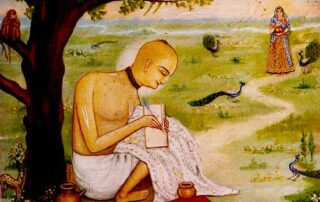
Śrī Śrī Rūpa Gosvāmī Prabhu
‘Śrī Śrī Rūpa Gosvāmī Prabhu,’ first published by Bhaktivinoda Ṭhākura in Sajjana Toṣaṇī Vol.2. issue 8 in 1885, is a brief biography of Śrīla Rūpa Gosvāmī. The Ṭhākura gives a list of some of the literary achievements of Śrī Rūpa, and laments how various apa-sampradāyas make claim to many great ācāryas.

The Last Year (Gata-varṣa)
'Gata-varṣa (The Last Year)' is an editorial written by Śrīla Bhaktivinoda Ṭhākura for Sajjana Toṣaṇī, Vol.12, Issue 1 in 1900. The Ṭhākura reviews the spiritual achievements made during the last year, and predicts that in future, people from all nations will come to the birthplace of Mahāprabhu. He also mentions his son, Siddhānta Sarasvatī in connection to the publication of Padma Purāṇa.
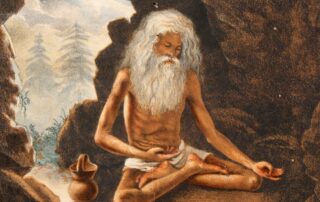
The Characters of Renounced Vaiṣṇavas Need to be Especially Pure (Vairāgī Vaiṣṇava-digera Caritra Viśeṣataḥ Nirmala Hauyā Cāi)
'Vairāgī Vaiṣṇava-digera Caritra Viśeṣataḥ Nirmala Hauyā Cāi (The Characters of Renounced Vaiṣṇavas Need to be Especially Pure)' was first published in Sajjana Toṣaṇi, Vo.5. issue 10 in 1893. Herein, Śrīla Bhaktivinoda Ṭhākura writes about the necessity of renounced Vaiṣṇavas and ācāryas to be of spotless character.

A Vaiṣṇava Householder’s Hospitality to Guests (Vaiṣṇava Gṛhasthera Ātithya)
'Vaiṣṇava Gṛhasthera Ātithya (A Vaiṣṇava Householder's Hospitality to Guests)' was first published in Sajjana Toṣaṇī Vol.8. issue 12 in 1897. Bhaktivinoda Thākura writes about serving guests, the foremost duty of a householder, and compares Vaiṣṇava guests with common guests.

Considerations for Non-Vegetarians (Āmiṣabhojī-digera Jñātavya)
'Āmiṣabhojī-digera Jñātavya (Considerations for Non-Vegetarians)' was first published in Sajjana Toṣaṇi Vol.8. issue 4 in 1896. In this short article, Bhaktivinoda Thākura gives a list of quotes from zoologists, scientists and physicians of his day, in order to make the point to his countrymen that meat eating is not natural for humans.

Samālocanā (A Critique of the book ‘Vanamālā’)
Samālocanā (A Critique of the book 'Vanamālā') was first published in Sajjana Toṣaṇi, Vol.1 in 1881. In this short book review, Bhaktivinoda Ṭhākura warns his readers about mixing jñāna with bhakti.
 On 18th August 2012, on the occasion of his Vyāsa Pūjā, Śrīla Bhakti Gaurava Narasiṅgha Mahārāja announced to the devotees that he had a strong desire to create a website called “Bhaktivinoda Institute” in honour of Śrīla Bhaktivinoda Ṭhākura and his teachings in order to preserve and propagate them.